Expert Tips for Maintaining Your Lanai Roof
Enjoying the beautiful weather from the comfort of a screened-in patio is a staple of living in the Tampa Bay area. Whether you use it for morning coffee, evening dinners, or simply relaxing by the pool, your outdoor living space is a vital part of your home. However, the structure that makes this comfort possible—your lanai roof—takes a constant beating from our intense sun, heavy summer thunderstorms, and high humidity.
Because these patio covers often have a low slope or are completely flat, they require a different approach to care than the steep-sloped shingles or tiles on your main house. Neglecting this unique structure can lead to hidden water intrusion, structural rot, and costly interior damage.
To help you protect your investment and keep your outdoor oasis in perfect condition, we have put together a comprehensive guide on maintaining this essential part of your home. From routine cleaning to identifying early warning signs of structural wear, these expert tips will help you maximize the lifespan of your patio enclosure.
Keep It Clean: Battling Debris and Algae
The first line of defense in roof maintenance is simply keeping the surface clean. In our humid climate, organic matter left sitting on a roof surface is a recipe for accelerated wear and tear. Leaves, pine needles, and small branches frequently accumulate on flat or low-slope surfaces. When this debris gets wet during our daily afternoon rain showers, it traps moisture against the roofing material, which can prematurely degrade the membrane or shingles.
Furthermore, this trapped moisture creates the perfect breeding ground for organic growth. If you have noticed unsightly dark marks on your patio cover, you are likely dealing with algae. Cleaning algae streaks from patio roofs is a common chore for local homeowners. While it might be tempting to blast these stains away with a high-pressure washer, doing so can severely damage the roofing material, stripping away protective granules or puncturing flat roof membranes. Instead, use a soft-wash approach with a specialized, eco-friendly cleaning solution and a soft-bristle brush to gently remove the growth.
Equally important to cleaning the roof surface is maintaining the drainage system attached to it. If your gutters are clogged with leaves and debris, rainwater has nowhere to go. It will pool on the roof edge, eventually backing up under the roofing materials and causing wood rot. Regular clearing of your drainage system is non-negotiable for flat and low-slope structures.
Spotting Flat Roof Tie-In Problems Early
One of the most vulnerable areas of any patio enclosure is the "tie-in"—the exact point where the lower-sloped lanai roof connects to the steeper main roof of your house. Because water rushes down the steep main roof and hits the flatter surface below, this transition zone handles an enormous volume of water during heavy downpours.
Flat roof tie-in problems are incredibly common and are a leading cause of water intrusion. The flashing (the metal strips used to seal the transition) can become loose, rust, or have its sealant dry out and crack over time due to thermal expansion and contraction in the intense heat.
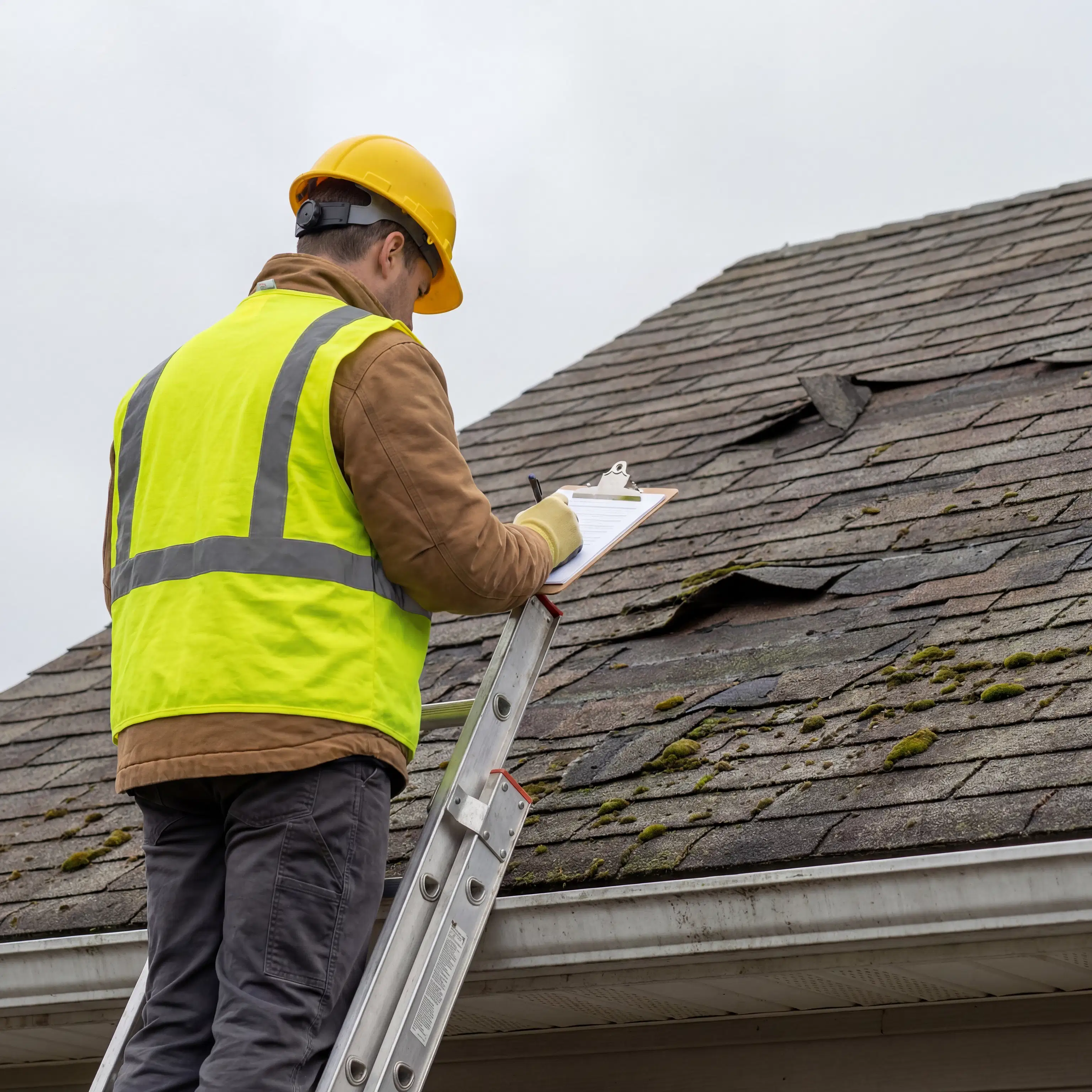
When inspecting your tie-in, look for lifted shingles, cracked caulking, or pooling water that doesn't drain after a storm. Inside your patio area, look up at the ceiling right where it meets the exterior wall of your house. If you see brown water stains, peeling paint, or sagging drywall, you likely have a compromised transition. Addressing these issues immediately is crucial; delaying lanai roof leak repair can allow water to travel down the interior walls of your home, leading to extensive structural damage and mold growth.
Protecting the Perimeter: Edges and Overhangs
While the main surface and the tie-in are critical, the outer edges of your patio cover are just as important. The perimeter is where wind uplift forces are strongest during severe weather, and it is also where water is finally directed off the structure.
Preventing water damage on patio roofs requires paying close attention to the materials that finish these edges. Your soffit and fascia play a dual role: they provide a finished look to the overhangs and protect the underlying wooden trusses from moisture and pests. The fascia board is what your gutters are mounted to, so if this board begins to rot from water exposure, your entire drainage system can pull away from the house.
Walk around the outside of your screen enclosure and inspect the wood or metal wrapping just under the roofline. Look for signs of peeling paint, soft spots in the wood, or areas where the metal might be pulling away. Keeping these edge components sealed, painted, and secure is vital for the overall health of your Florida Room or patio enclosure.
Preparing for Hurricane Season
Living in our region means always keeping one eye on the tropics. When hurricane season approaches, your outdoor living space needs to be part of your preparation plan. High winds can easily catch the edges of a poorly maintained patio cover, turning minor wear and tear into a major structural failure.
Before the season peaks, ensure that all structural connections are tight and that there are no loose roofing materials that could become windborne debris. If you have an older structure, it may be worth having a professional evaluate it to see if it meets current wind mitigation standards. Upgrading the tie-downs and ensuring the roofing membrane is fully adhered can make the difference between weathering the storm and facing a total replacement.
We utilize modern technology, including drone-based inspections, to safely and accurately assess the condition of your roof before storm season hits. This allows us to spot microscopic vulnerabilities in the membrane or flashing without putting unnecessary foot traffic on a sensitive low-slope surface.
Knowing When to Call the Professionals
While keeping the surface clean and clearing debris are great DIY tasks, diagnosing structural issues, repairing flashing, and patching membrane leaks should be left to experienced professionals. The roofing industry unfortunately sees a lot of out-of-town "storm chasers" who offer quick, cheap fixes that fail a few months later.
When it comes to protecting your home, you need a local partner you can trust. As a family-owned business built on strong moral ethics, we believe in doing the job right the first time. We don't just want to patch a hole; we want to ensure your entire roofing system is sound, secure, and ready to protect your family for years to come. Whether you need a minor patch or a comprehensive evaluation of your home's exterior, our team provides transparent, high-quality roof repairs and maintenance tailored to your specific needs.
If you are in St. Petersburg or the surrounding communities and have concerns about your patio cover, don't wait for the next heavy rainstorm to find out if it's watertight. Contact Florida Roofing Solutions, LLC today to schedule a thorough inspection and keep your outdoor living space safe, dry, and beautiful.