When Should You Repair or Replace Your Roof?
A roof leak does not automatically mean you need a new roof—but patching a system that is failing throughout can lead to repeated expenses and more water damage. For homeowners across Tampa Bay, the decision is especially important because intense sun, humidity, wind-driven rain, and hurricane-season storms can accelerate wear.
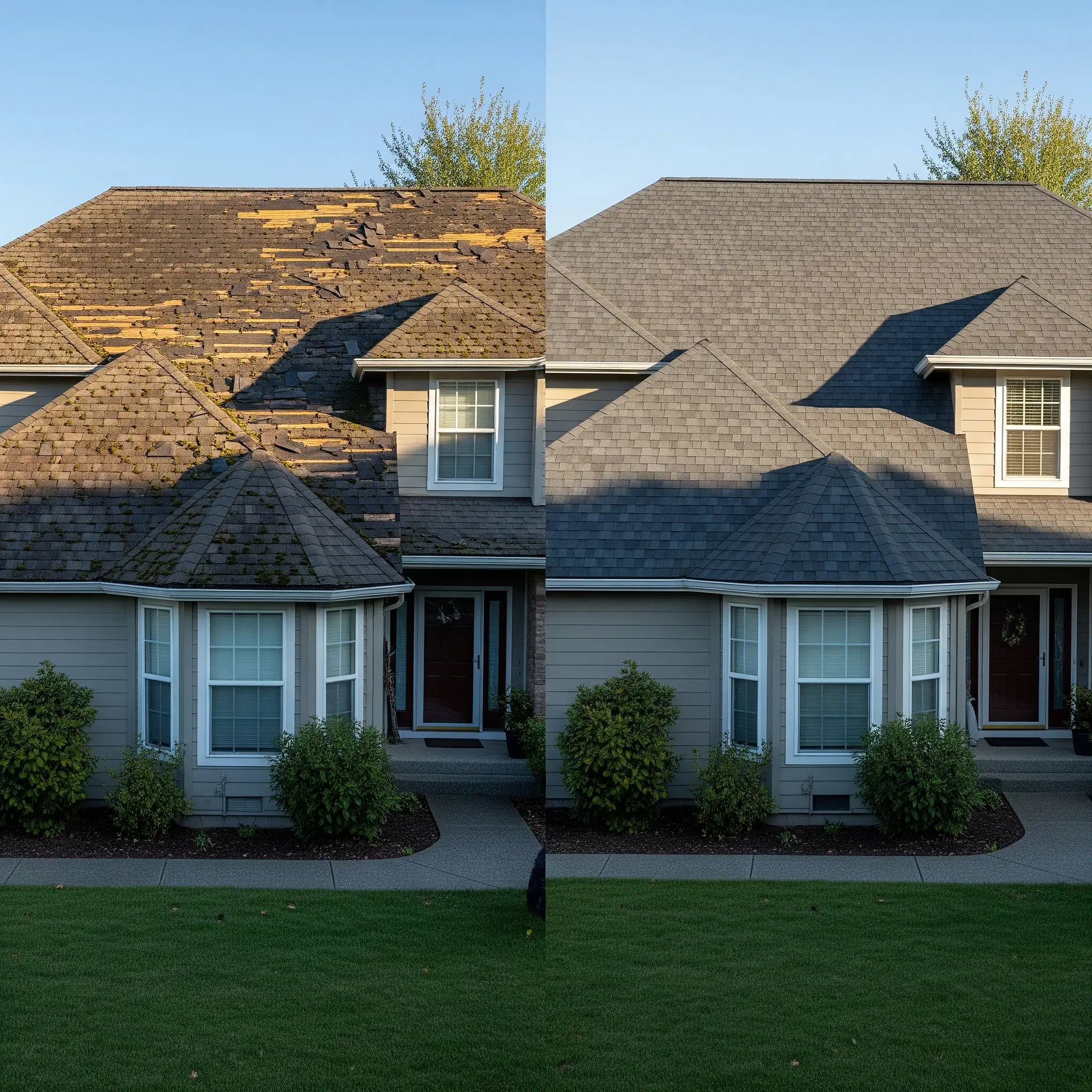
The right choice depends on more than the size of the visible problem. Roof age, structural condition, previous repairs, material type, insurance requirements, and the extent of hidden moisture all matter. This guide explains when roof repairs and maintenance make sense, when roof replacement is the better investment, and what to expect from a professional evaluation.
When a Roof Repair Is Usually Enough
A targeted repair is often the practical choice when the roof is generally sound and damage is limited to one area. Examples include:
- A small leak around a vent, flashing joint, or plumbing boot
- A few missing, lifted, or cracked shingles after a storm
- Minor damage around a lanai roof or Florida Room tie-in
- An isolated puncture or loose metal panel
- A localized section of damaged underlayment
- A roof that is still relatively young and has been maintained properly
The key word is localized. If the surrounding material remains secure and the roof deck is dry and structurally sound, a professional patch or component replacement may restore reliable protection.
Do not wait for a small issue to become an interior ceiling stain. Water may travel along decking or rafters before appearing indoors, so the source is not always directly above the visible damage. After severe weather, check for missing materials, bent flashing, debris impacts, granules in gutters, or water marks in the attic. Algae streaks alone are generally a maintenance or appearance issue, but widespread deterioration beneath them warrants closer inspection.
Active water entry requires prompt attention. An emergency roof repair can help limit immediate damage, followed by a more complete assessment once conditions are safe.
Signs That Replacement May Be the Better Investment
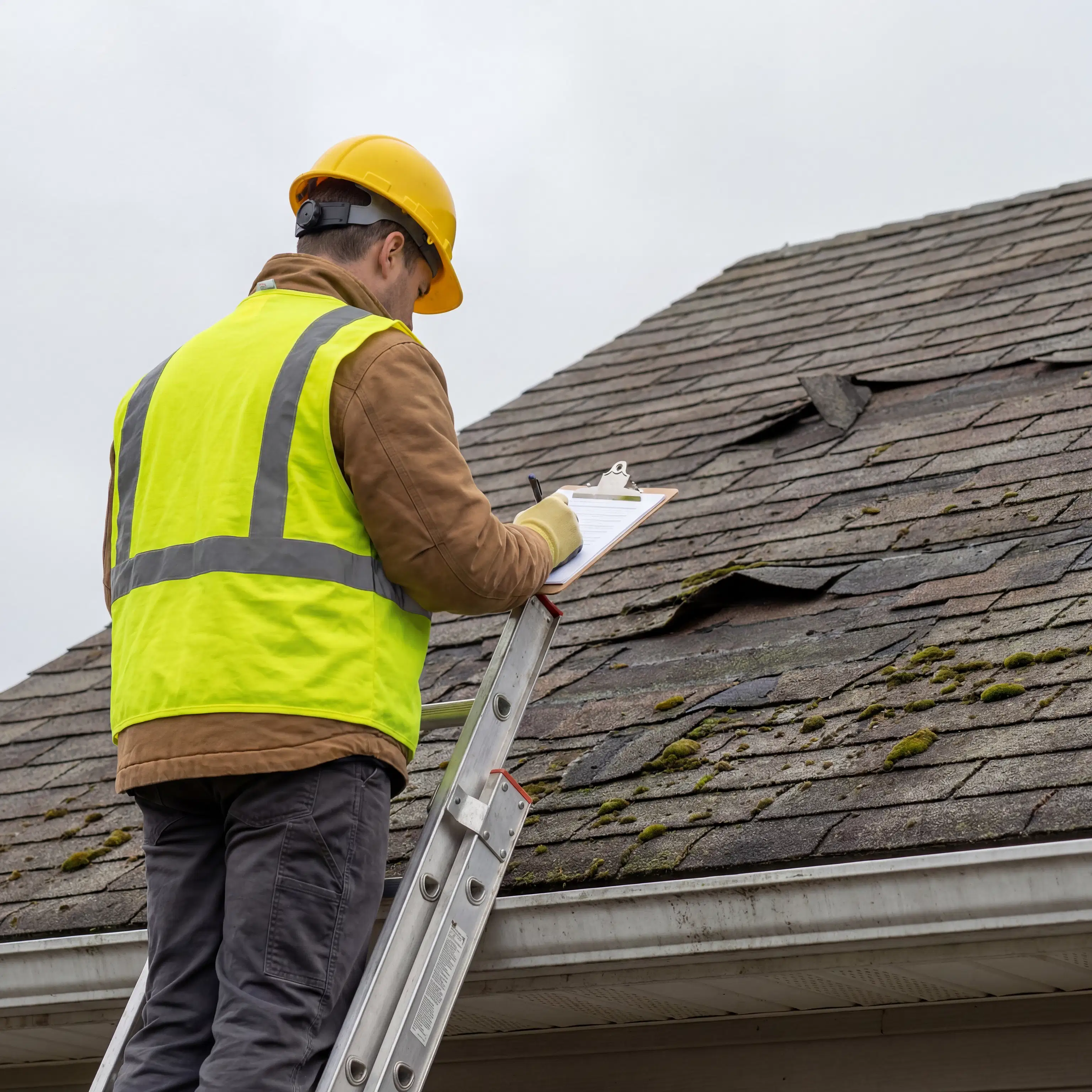
Replacement becomes more reasonable when problems are widespread, recurring, or related to the roof’s overall condition. Warning signs include:
- Leaks appearing in several rooms or returning after previous repairs
- Large sections of curled, brittle, cracked, or missing shingles
- Soft, sagging, or moisture-damaged roof decking
- Extensive corrosion, failed seams, or loose fasteners on a metal system
- Widespread cracked or displaced tile with deteriorated underlayment
- Multiple layers of old roofing material
- Storm damage affecting a substantial portion of the system
- A roof approaching the expected service life for its material
Age is useful context, but it should not be the only deciding factor. Installation quality, ventilation, maintenance, sun exposure, storm history, and material all affect longevity. A well-installed metal roof will have a different service outlook than an aging asphalt shingle system.
Insurance can also influence the decision. Carriers may consider roof age, remaining useful life, inspection results, and documented condition when writing or renewing coverage. Requirements vary, so homeowners should ask their insurer what documentation is needed rather than assuming replacement guarantees a premium reduction.
If replacement is justified, hurricane-rated materials, robust underlayment, and properly installed roof-to-wall components can improve resilience. A wind mitigation inspection may also identify features that qualify for insurance discounts, although eligibility is determined by the carrier.
How a Professional Evaluation Clarifies the Decision
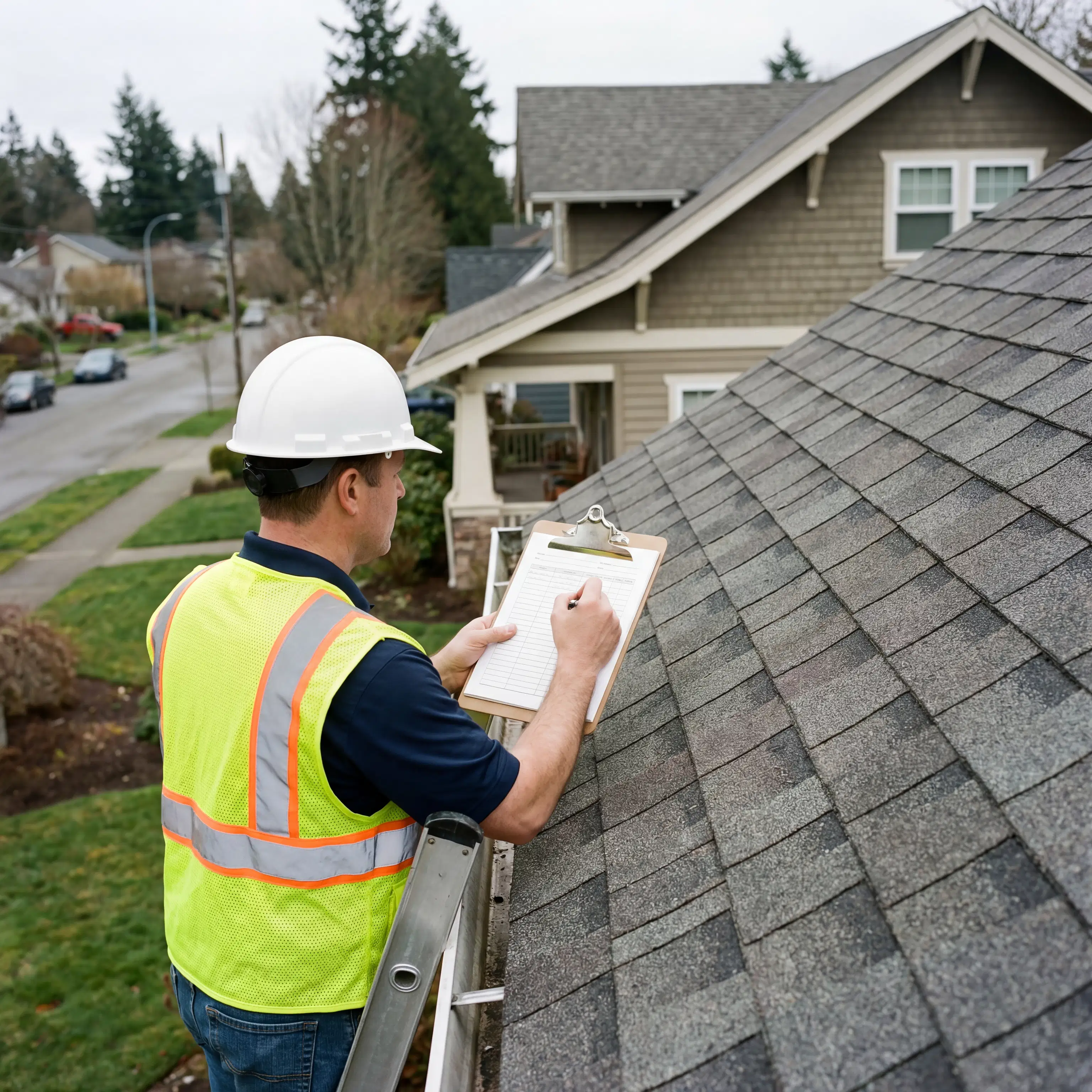
A reliable recommendation should begin with an inspection—not a sales pitch. The roofer should evaluate surface materials, penetrations, flashing, drainage, ventilation, underlayment where accessible, and the condition of the roof deck. Attic evidence such as moisture staining, mold-like growth, daylight, or compressed insulation can reveal problems that are not visible from the exterior.
Drone imagery and 3D aerial measurements are increasingly used to document hard-to-reach areas and improve estimate accuracy. These technologies are helpful, especially after a storm, but they do not replace hands-on evaluation when access is safe and necessary.
Ask the contractor to explain:
- Where the damage is located and how extensive it is
- Whether the surrounding roof can support a lasting repair
- What caused the failure and how recurrence will be prevented
- The projected cost of repairing now versus replacing soon
- Which permits and inspections apply
- What workmanship and manufacturer warranties are included
Roof replacement and many substantial repairs require permits, although the exact requirement depends on the project scope and local authority. Work must also comply with the Florida Building Code and applicable wind-resistance standards. A legitimate contractor should be willing to provide current licensing and insurance information, a written scope, payment terms, material specifications, and warranty details. Be cautious of high-pressure storm chasers, vague estimates, or anyone asking you to sign over insurance benefits without a clear explanation.
Comparing Repair and Replacement Costs
There is no meaningful average price that applies to every home. Repair costs depend on access, material availability, leak complexity, decking damage, and the amount of labor required. Replacement pricing is affected by roof size and pitch, tear-off needs, material selection, underlayment, ventilation, permits, and structural repairs discovered during removal.
Consider total value rather than the lowest initial number. Repeated patches on an aging system can eventually cost more while leaving the home vulnerable. On the other hand, replacing a healthy roof because of one repairable defect is unnecessary.
Material choice matters when replacement is appropriate. Architectural shingles can provide a balanced upfront cost and wind-rated performance. Metal roofing generally requires a larger initial investment but offers durability, low maintenance, strong wind resistance, energy efficiency, and enhanced curb appeal. Florida Roofing Solutions, LLC notes that metal systems may also offer favorable long-term insurability, sometimes for 30 years or more, although individual carrier rules should always be confirmed. Reflective metal finishes and cool-roof products can help reduce rooftop heat gain during hot weather.
Get a Clear Recommendation Before You Commit
Repair is typically appropriate for isolated damage on an otherwise healthy roof. Replacement is more likely to make sense when deterioration is widespread, leaks keep returning, the deck is compromised, or the roof is nearing the end of its practical life. In either case, documented findings and a transparent written scope should guide the decision.
Florida Roofing Solutions, LLC follows a straightforward replacement process: inspection, written quote and contract, professional installation, final inspection, and payment. Completed replacement work is supported by a 10-year workmanship warranty, and a wind mitigation report can be added when requested or needed.
If you are concerned about a leak, storm damage, or an aging roof around St. Petersburg, contact Florida Roofing Solutions, LLC to schedule an evaluation. The team can help with roof repairs and maintenance, roof replacement, residential and commercial roofing, storm damage, gutters, soffit and fascia, and other roofing needs—without pressuring you into more work than your property requires.